
"Cote d'Ivoire"
80 article(s) found

What are the producing countries of Coffee Farm in Africa-- description of the varieties and flavors of coffee beans
What countries do African coffee farms produce-- description of the variety and flavor of coffee beans. Coffee originated in Ethiopia in Africa, and then moved to Yemen in the Arab region of the Middle East, so some people call it Arabica. Then it spread to Java, Indonesia, and from there to Latin America. African coffee was previously grown in Congo, Uganda and other places, for Robster Coffee, and

Fine African coffee has an in-depth understanding of the flavor changes of various coffee producing areas in Africa.
When it comes to Africa, people's first impressions are: desert, drought, tribe, poverty, mystery and so on. Because of its climatic environment, it has become a paradise for the growth of coffee trees. Coffee production in Africa the first coffee tree in the world was found in the Horn of Africa. Local indigenous tribes often grind the fruit of coffee and knead it with animal fat to make many balls.

Quality Coffee Certification Organization UTZ Certified quality Coffee Certification
In Mayan language, UTZ means quality. UTZ Certification body is an independent organization that certifies all kinds of quality coffee, tea and cocoa in the world. UTZ certification, also known as good coffee (tea / cocoa) certification, refers to the responsible coffee (tea / cocoa) mark recognized by UTZ after the production of coffee (tea / cocoa) has passed environmental, social and economic independent audit standards. UTZ certification

Three major coffee farms in the world: a detailed explanation of coffee in African coffee estates and major producing areas
When it comes to Africa, people's first impressions are: desert, drought, tribe, poverty, mystery and so on. Because of its climatic environment, it has become a paradise for the growth of coffee trees. Coffee production in Africa the first coffee tree in the world was found in the Horn of Africa. Local indigenous tribes often grind the fruit of coffee and knead it with animal fat to make many balls.
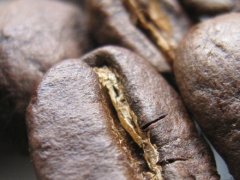
Three native species of coffee, Liberian species, Robusta species, Arabica species.
Coffee, we generally refer to the finished product: the coffee we drink, also refers to coffee beans. Coffee belongs to the evergreen shrub of the genus Coffee of Rubiaceae. Coffee has some medicinal effects, such as waking up the brain, strengthening the stomach, stopping bleeding, dissipating heat, strengthening the body, etc., hee hee, if anyone is blinded by love, have a cup of coffee to wake up! There are about 40 species of coffee plants, but they can produce commercially valuable
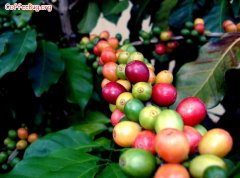
A variety of coffee, Arabica, Karobsta, Lubebeca
Coffee beans (Coffee Bean) can be divided into three types, namely Arabica-coffee contains caffeine of about 1% per cent by weight. Generally speaking, the better quality and more expensive coffee beans come from coffee beans grown by Elaraby. It accounts for 3/4 of the world's output and is of good quality, because the coffee tree itself is sensitive to heat and humidity.
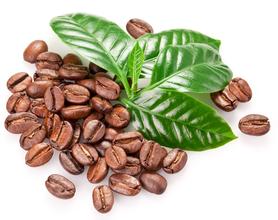
Boutique coffee beans: coffee genealogy (variety knowledge popularization post) basic knowledge of coffee introduction
From Ethiopia to East Africa, coffee varieties have experienced about 1300 years of development and evolution. Experienced Yemen, India, Java, the Netherlands, Paris, Bourbon, Martinique Island, Haiti, Mexico, Brazil and other Central and South American countries. Coffee is an evergreen shrub of the genus Rubiaceae of Gentianaceae. The general classification of coffee is: Arabica iron.

The flavor characteristics of coffee beans in Asia, Africa and America: an introduction to the grinding scale of regional treatment
The flavor characteristics of coffee beans in Asia, Africa and America the regional treatment grinding scale is introduced. Karnataka in southwestern India is the main producing area, and coffee beans are in the shape of large grains. The coffee beans from the southeastern state of Tamil Nadu, though small, are high-end products of India. two。 Coffee production in Indonesia is mainly limited to Java, Sumatra and Sulawesi.

What are the characteristics of Latin American coffee? How can Latin American coffee taste good?
Professional coffee knowledge exchange more coffee bean information Please pay attention to coffee workshop (Wechat official account cafe_style) Coffee growth conditions due to the main geographical factors: latitude, temperature, topography, rainfall, sunshine and so on, the distribution of coffee producing areas varies from continent to continent. The countries of Central and South America and Africa match the climate and topography of the region at the same latitude and

Is Arabica coffee stronger? How to distinguish Robusta Arabica Libya coffee
Professional coffee knowledge exchange More coffee bean information Please pay attention to coffee workshop (Weixin Official Accounts cafe_style) Mantenin's Robusta lineage, Arabica beans or Katim or Katim? [I'm sure you've all seen chain coffee shops emphasize that they use "100% Arabica coffee beans," but why do they emphasize this coffee variety so much?] of Arabica

What are the main coffee producing areas? where is the origin of famous coffee?
Coffee comes from coffee beans, which are harvested and processed from the fruit of trees. Coffee trees grow at the center of the equator, between latitudes of 25 degrees south and north, and are called the homes of tropical or subtropical countries called coffee belts. At present, there are about 60 coffee-producing countries. Coffee is produced in South America, Central America, the West Indies, Asia, Africa, Arabia, the South Pacific and

Detailed Analysis of the components of High-quality Coffee beans
★ volatile compounds: volatile compounds are the main source of coffee flavor, especially important for coffee quality. There are many kinds of volatile substances in coffee, and their existence will affect the aroma quality of coffee. Its main source is derived from non-volatile substances in raw beans which are disconnected or derived after reaction in the process of roasting. The role of thermal decomposition, other reactions, or compositions, such as sugar.

Boutique Coffee introduced in Santo Domingo Coffee Manor, Dominica
Catuaikadu Aikadu Aikadu Aica Dewey (caturra Kaddura and mondunovo New World artificial hybrid coffee varieties. The tree height of caturra is shorter than that of mundonovo, and the improved height is more convenient to harvest after mixing. The sweetness performance is similar to that of cattura, and there is a great correlation between fertilization techniques. The planting density is high, the proper fertilization can have high production capacity, and the trees can endure operation.

Introduction to the main Coffee producing areas in the World
Coffee comes from coffee beans, which are harvested and processed from the fruit of trees. Coffee trees grow at the center of the equator, between latitudes of 25 degrees south and north, and are called the homes of tropical or subtropical countries called coffee belts. At present, there are about 60 coffee-producing countries. Coffee is produced in South America, Central America, the West Indies, Asia, Africa, Arabia, the South Pacific and
Introduction of major coffee producing areas in the world Central and South American coffee beans, African coffee beans, Asian coffee beans
[introduction] Coffee comes from coffee beans, which are harvested and processed from the fruit of trees. Coffee trees grow at the center of the equator, between latitudes of 25 degrees south and north, and are called coffee belts in the homes of tropical or subtropical countries. at present, raw coffee comes from coffee beans, which are harvested and processed from the fruits of the trees. Coffee trees grow at the center of the equator.

What are the three major coffee producing areas in the world? Arusha Coffee Manor.
Mexican coffee production is concentrated in the south near Guatemala, with mountains running through the east and west, making its mountains tilted, making it an ideal terrain for coffee cultivation. Coffee cultivation is still common. According to the order, the highland is classified into three kinds of high-yield coffee: Arudora, Prima, Rabad and Barnabad. Coffee beans range in size from medium to large, with appearance and fragrance.

Comparison of regional characteristics of coffee beans in coffee producing areas / coffee bean producing areas in the world
Coffee has an inexplicably strong attraction to both literati and gluttons. Since you are so curious or passionate, let's take a look at which parts of the world produce coffee. The most complete knowledge of coffee producing areas in the world! Tools / raw materials the world's most important quality coffee producing areas / step 1, Asia 1. Indonesia (Indonesia) well-known representative coffee: claw

A brief introduction to the transaction Price of High Sweet Sidamo Coffee Bean varieties in the planting Market
The geographical environment of Ethiopia is very suitable for coffee growth. Currently, about 25% of the Ethiopian population depends directly or indirectly on coffee production for a living. Since most local farmers still care for coffee trees manually and do not use harmful pesticides and herbicides, most of the coffee produced in Ethiopia is organic coffee, which is the main cash crop in Angola and the first in Burundi.

Characteristics of three major coffee varieties Arabica, Robusta and Liberka Arabica coffee beans
Professional coffee knowledge exchange more coffee bean information please follow the coffee workshop (Wechat official account cafe_style) Arabica world three big coffee products compared to a brief table: one. Types of coffee: coffee beans can be roughly divided into three categories: (1) Arabica coffee tree, (2) Robusta coffee tree and (3).

A brief introduction to the treatment method of grinding and baking degree of Indonesian West Java boutique coffee beans with low acidity
In the 18th century, Indonesia became a major producer of coffee, and almost all of its high-quality Arabica coffee was supplied to Europe. But by the 19th century, coffee rust, which appeared in Ceylon in 1869, also affected Indonesia. By 1877, most of the coffee fields on the Indonesian islands had been damaged by rust, and the Dutch had to introduce other coffee varieties from Africa, namely Romsda.